
As of May 2026, Zoran Milanović, the current President of Croatia, has an estimated net worth in the range of 300,000 to 450,000 EUR. That figure is built almost entirely from his publicly filed asset declaration (imovinska kartica), which lists a Zagreb apartment worth roughly 253,000 EUR, agricultural land, a weekend house, and 140,000 EUR in savings, offset by a bank mortgage of around 93,000 EUR with HPB. This is not a wealthy politician by any regional standard. It's a modest, largely real-estate-anchored figure with a transparent paper trail. This article also covers Radivoje Kalajdzic net worth and what factors typically drive those estimates.
Croatia President Net Worth 2026: Estimate, Sources, Breakdown

Marko Radivojević
4 May 2026
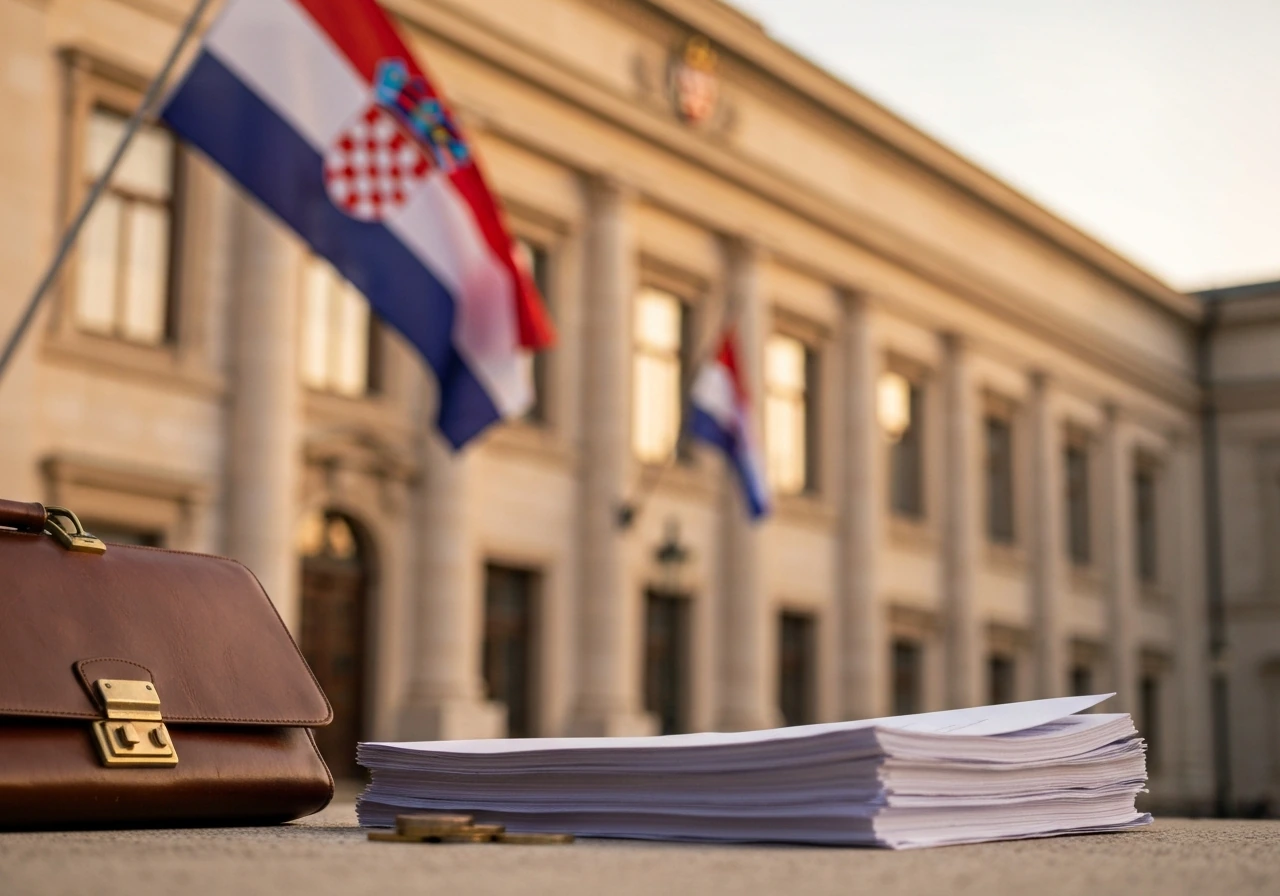
Which "Croatia president" we're talking about right now
Zoran Milanović was sworn in as the fifth President of the Republic of Croatia on 18 February 2020. He is still the person you're looking at when searching for the Croatian president's net worth in 2026. It's worth noting that Croatia has two major executive-level offices: the President (head of state) and the Prime Minister (head of government). Milanović holds the presidential role, not the Prime Ministership he previously occupied. That distinction matters here because the two offices carry different salaries, different disclosure requirements, and different career profiles, so any wealth estimate needs to be clearly anchored to the correct role.
The net worth estimate: what the numbers actually say

Working from Milanović's imovinska kartica filed on 22 February 2024, here is the asset picture as declared. The declaration is the most reliable primary source available for this estimate.
| Asset / Liability | Declared Value (EUR) |
|---|---|
| Zagreb apartment (co-ownership) | 252,836.95 |
| Cash savings (EUR deposits) | 140,000.00 |
| Agricultural land and meadow (Soline) | Declared, value varies by parcel |
| Weekend house / vikendica | Declared, market value listed |
| Business interest: EuroAlba Advisory (100% share) | Acquisition cost basis listed |
| HPB mortgage (outstanding principal) | -92,905.97 |
| Monthly mortgage payment | -597.25 EUR / month |
Adding the declared real estate at approximate market value, the savings, and the business share, then subtracting the HPB mortgage, produces a net declared asset range of roughly 300,000 to 450,000 EUR. The upper end of the range accounts for the rural land and weekend property at reasonable market valuations; the lower end is more conservative and assumes those rural assets are worth less in a thin market. HRT's summary of an earlier declaration cited co-ownership in two apartments and two weekend houses plus savings equivalent to around 850,000 kuna (roughly 113,000 EUR at then-current rates), which is broadly consistent with the EUR figures in the 2024 declaration.
What drives the income side of the equation
Milanović's income comes from a relatively straightforward set of sources. His presidential salary is the primary driver. Narodne novine published the “Odluka o Uredu predsjednika Republike Hrvatske” (NN 31/2025), which states how the President determines the blank" rel="noopener noreferrer">coefficient used for calculating the salaries of officials covered by that regulation. A compensation calculator tracking Croatian public-sector pay puts his 2026 net monthly salary at approximately 6,263 EUR, which annualizes to roughly 75,000 EUR net. Wikipedia references a figure of about 6,074 EUR net per month, which is close enough to confirm the ballpark. These are not disputed figures, just slightly different snapshots in time.
His declaration also includes a small line item from teaching activity, listed at 1,292.53 EUR per quarter, suggesting occasional academic or instructional income on top of the presidential salary. His prior career as Prime Minister of Croatia (before the presidency) would have generated public-sector income at a comparable level, but there's no evidence of significant private-sector wealth accumulated during that period that would substantially change the current net worth picture.
The 100% ownership stake in EuroAlba Advisory is worth flagging. The declaration notes it was acquired by purchase, but no current market valuation of the company is disclosed in the form. It could represent meaningful value or very little, depending on the company's activity. Without audited financials or a third-party valuation, it's a genuine unknown in the estimate.
Assets most likely included in the estimate
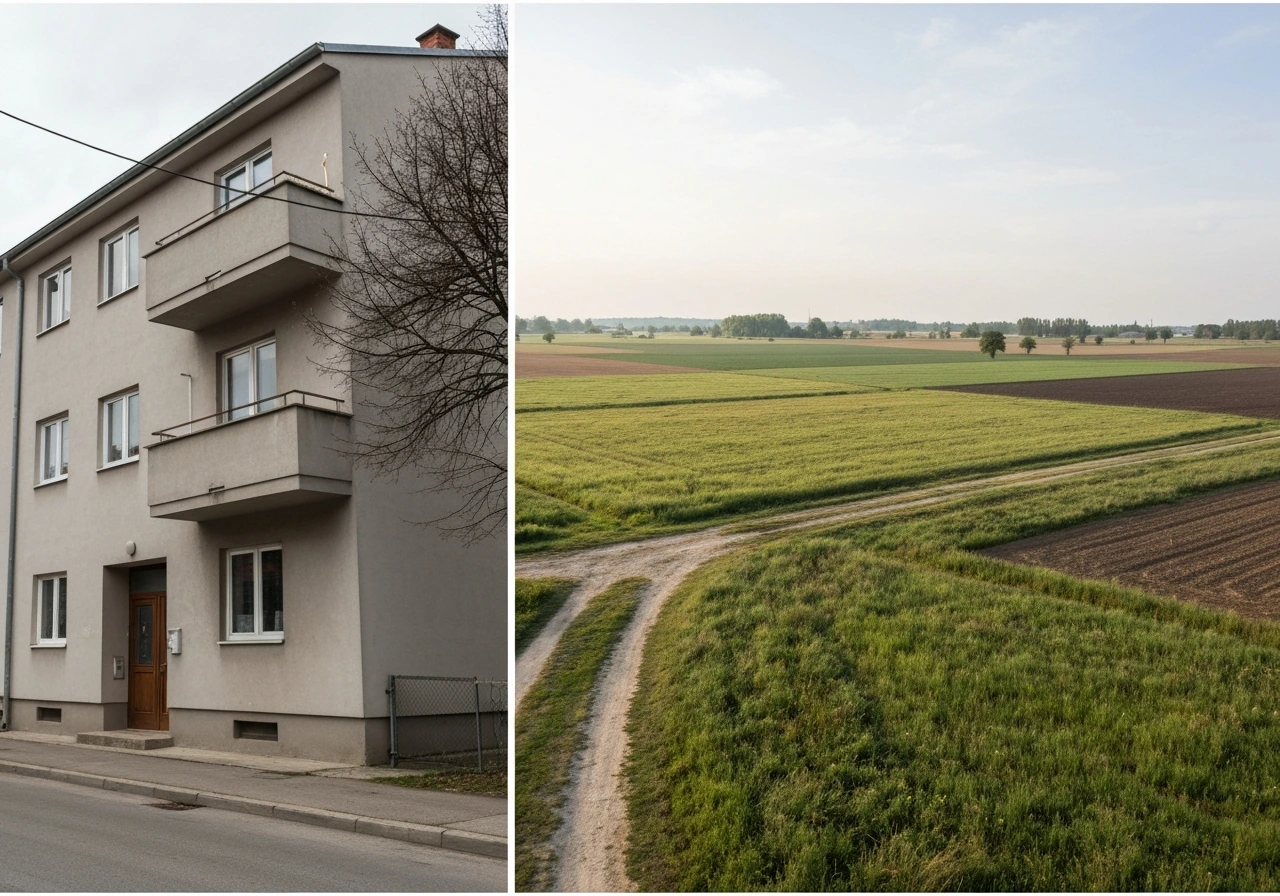
- Zagreb apartment: declared at approximately 253,000 EUR market value, co-ownership basis
- Rural land in Soline (agricultural land and meadow): smaller parcels, declared market values in EUR
- Weekend house or vikendica: declared with approximate market value
- Cash savings: 140,000 EUR in EUR-denominated deposits
- EuroAlba Advisory: 100% business share, acquisition cost declared but current value unclear
- HPB bank mortgage: outstanding principal of ~93,000 EUR at 4.40% interest, 360-month repayment term (original loan taken in 2016)
What is not included in the estimate, because it isn't disclosed or verifiable: any unlisted financial assets, pension entitlements, assets held indirectly through family members, or undisclosed business interests. The Conflict of Interest Commission did fine Milanović over inaccurate income data relating to his spouse's earnings, which is a reminder that declared figures are not always complete on the first submission.
Uncertainty and the honest limits of this estimate
Anyone putting a single precise number on a politician's net worth is oversimplifying. Here, the main sources of uncertainty are: the market valuation of rural property in Croatia (thin markets, wide price ranges), the undisclosed current value of EuroAlba Advisory, incomplete spousal income data flagged by the Commission, and the fact that the most recent declaration covers the period ending in early 2024, not May 2026. Asset values and savings balances can shift meaningfully in two years.
Croatia's Conflict of Interest Commission (Povjerenstvo za odlučivanje o sukobu interesa) is the regulatory body that reviews, verifies, and can challenge asset declarations. Its 2024 verification plan explicitly includes the President of the Republic among the highest state officials subject to routine checks. That institutional oversight adds credibility to the declared figures, but it doesn't eliminate all gaps. The Commission's process involves requesting supporting evidence when something looks off, but it is not a forensic audit.
The methodology used here: take declared asset values at face value, apply conservative market-rate adjustments to undisclosed property values, subtract declared liabilities, and present a range rather than a single figure. This is the standard approach for public-sector politicians whose wealth is rooted in disclosed assets rather than business empires.
How to verify this yourself today

- Go to the Croatian Conflict of Interest Commission website (sukobinteresa.hr) and search for Milanović's current imovinska kartica. The Commission keeps individual declaration files (mape imovinske kartice) for each official.
- Check the official president.hr documents repository for any institutional disclosures or access-to-information materials relevant to the presidency.
- Use Detektor imovine, a Croatian civil-society organization specifically focused on cross-checking officials' declared assets against public records, as a secondary verification layer.
- Cross-reference HRT and Index.hr reporting on declaration updates, since Croatian media routinely summarizes new filings when they are submitted.
- For salary data, Narodne novine publishes the official pay regulations for constitutional officeholders, which is more reliable than third-party salary calculators for confirmation of the base figure.
One important practical note: the most recent publicly accessible declaration may be from early 2024, meaning you're working with data that's approximately two years old as of May 2026. If a new declaration has been filed since then (declarations are typically updated annually or at mandate milestones), that would be the most current figure to use. You can use the Commission’s search page (Pretraga) to find publicly available content related to asset-declaration material, including imovinska kartica information.
How this compares to other Balkan politicians in the database
Milanović's estimated net worth of 300,000 to 450,000 EUR puts him firmly in the modest-to-middle range for Balkan political figures, which is actually typical for elected officials in the region who have spent most of their careers in public service rather than business. The declared wealth is almost entirely real estate and savings, which mirrors the asset pattern seen across the broader Balkan political class.
For comparison, business-linked personalities from the region, including Slovenian entrepreneurs like Igor Akrapovič or figures with significant commercial interests, operate at wealth levels several orders of magnitude higher. Even within politics, figures who moved between public roles and private business can show substantially larger declared or estimated holdings. Milanović's profile is closer to that of a career public-sector politician: stable income, modest property holdings, meaningful but not extraordinary savings, and a single business interest of uncertain value. It's a pattern worth keeping in mind when readers compare across profiles in this database, whether looking at Croatian, Serbian, or other regional figures.
The broader Balkan picture shows that declared political wealth tends to be anchored in real estate (residential and rural land), with savings and pension entitlements as secondary components. Business shareholdings and investment portfolios are the variables that create the biggest spread between politicians at the lower and upper ends of regional net worth estimates. Milanović sits toward the lower end of that spectrum, consistent with his career trajectory and the asset declaration record available today.
FAQ
How can I tell if the Croatia president net worth number is outdated?
Use the most recent publicly filed imovinska kartica. If a newer declaration exists after the document referenced in the article (the piece notes the period ending in early 2024), the latest filing should update property and savings values and can widen or narrow the 300,000 to 450,000 EUR range.
Does the croatia president net worth figure include Prime Minister income too?
The estimate reflects the President of Croatia role (head of state), not the Prime Minister role (head of government). Those positions can differ in compensation and disclosure timing, so mixing them can produce the wrong salary context and mislead net worth comparisons.
Why do net worth numbers sometimes jump when reported in EUR versus HRK/kuna?
Do not convert using a single exchange rate without checking timing. Savings and older local currency figures can be reported in kuna, while the article’s valuation uses EUR for the estimate. A different conversion date or rate can shift the savings component noticeably even if the declared balances did not change.
What part of the estimate is most sensitive to property price assumptions?
The article treats property values conservatively because rural land and weekend houses often trade in thin markets with wide price ranges. A higher assumed market value for rural property pushes the estimate toward the top of the range, while a lower assumption pulls it toward the bottom.
Why does the EuroAlba Advisory stake not make the estimate more precise?
Unlisted businesses are a major source of uncertainty. EuroAlba Advisory’s value is not shown in the declaration, so the net worth estimate cannot include a reliable current market valuation, which can mean the true number is higher or lower than the stated range.
How much could the net worth estimate change between declaration dates?
Expect timing gaps. The declaration is the most reliable primary source, but it covers an earlier reporting period than May 2026. Market value changes, savings withdrawals or deposits, and loan balances can move between filings, so the range should be treated as a snapshot rather than an exact “as of today” number.
Are mortgages and other debts fully accounted for in the Croatia president net worth estimate?
Check liabilities carefully. The article subtracts the stated HPB mortgage around 93,000 EUR, but if the mortgage balance changed after the reporting period or if there are other disclosed debts, the net declared asset range could shift.
Does occasional teaching income affect the net worth estimate in a meaningful way?
In this case, the teaching line item is small and quarterly, so it usually will not materially change a net worth estimate driven by housing, land, and savings. However, it can matter for income trends and for reconciling how funds were accumulated.
What is the most common mistake people make when interpreting Croatia president net worth?
A very common mistake is assuming net worth equals total income. Net worth is the stock of assets minus liabilities, while salary and quarterly income explain cash flow. The article’s range is built from declared holdings, not from summing earnings.
If the Conflict of Interest Commission reviewed it, does that eliminate uncertainty?
Cross-check with the Conflict of Interest Commission only as an assurance of review quality, not as proof of completeness. The article notes the Commission can request supporting evidence and may fine for inaccurate data, but its process is not a forensic audit of every asset detail.
Can I replicate the method used to compute the net declared asset range?
If you want to replicate the estimate, start from declared asset lines (apartment, rural land, weekend property, savings), apply a valuation adjustment only where market value is inherently uncertain (especially rural assets), then subtract disclosed liabilities. Leave out items that the declaration does not value or substantiate.
Does the Croatia president net worth figure include assets held by family members?
Yes. Family-held assets or indirectly held interests may not be captured fully in the President’s personal declaration. The article flags that such items are not included because they are not disclosed or verifiable, so the public figure can understate total household exposure.
Next Article
Zlatko Starkovski Net Worth 2026: Estimate, Sources, Income
Zlatko Starkovski net worth 2026 estimate ranges, income sources, and how to verify the figures reliably.